
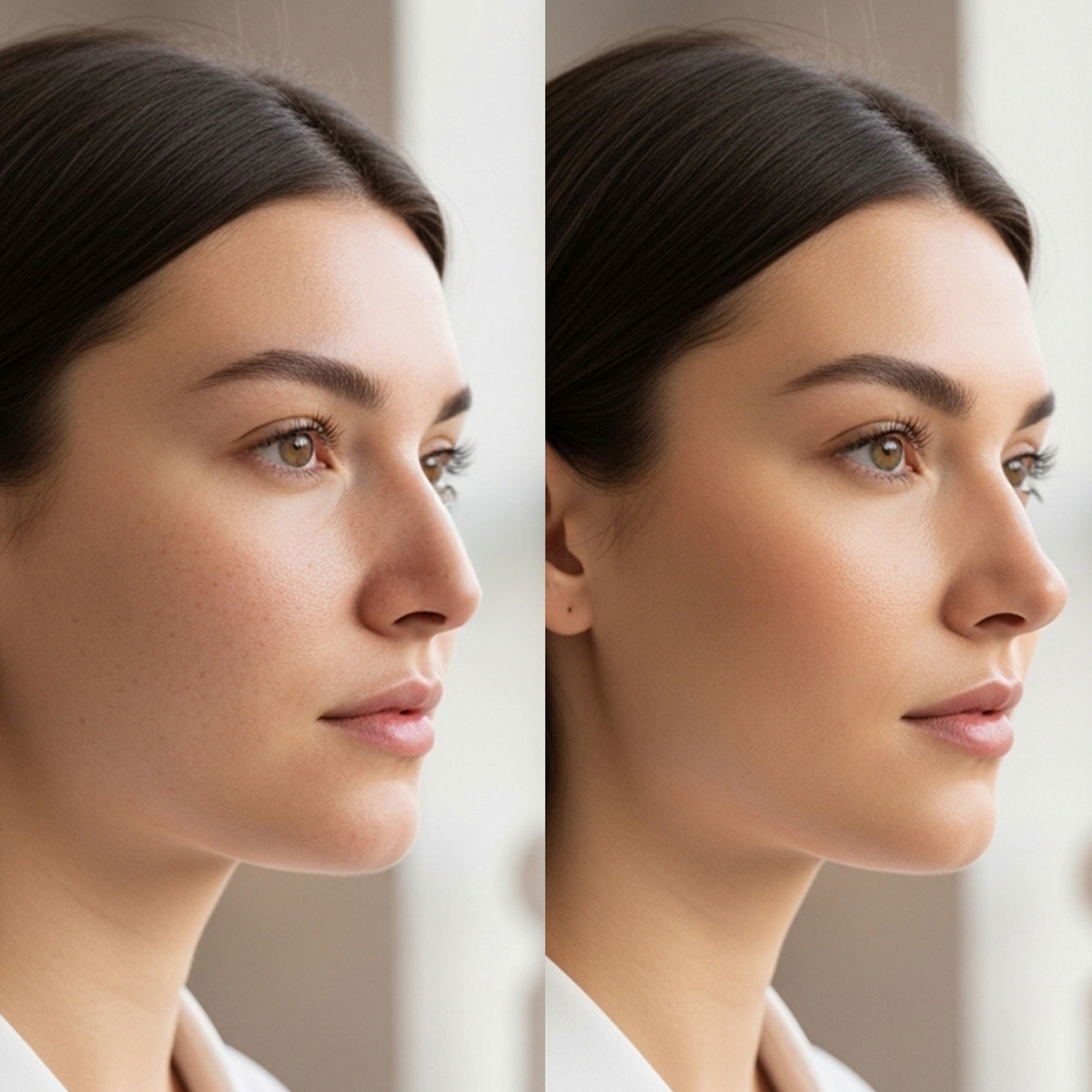
Before-and-after photos are often the first thing people look at when considering aesthetic surgery. They can be inspiring, reassuring, and informative, but they can also be misleading if not interpreted correctly.
Understanding how to read aesthetic surgery results realistically and responsibly is one of the most important steps in making an informed decision. This guide explains what before-and-after images truly show, what they don’t, and how to evaluate results with clarity and confidence.
Why Before & After Photos Matter
Before-and-after images are valuable because they:
- Demonstrate a surgeon’s aesthetic style
- Show real patient outcomes
- Help visualize potential improvements
- Build trust through transparency
However, they are examples, not guarantees. Every body, face, and healing process is different.
What Before & After Photos Can (and Can’t) Show
What they show well
- Changes in shape, contour, or proportion
- The surgeon’s approach to natural results
- Consistency across multiple patients
- Overall aesthetic philosophy
What they don’t show
- How long recovery took
- Temporary swelling or bruising
- Sensations, discomfort, or healing stages
- Individual anatomical differences
- Long-term maintenance and lifestyle factors
Photos capture a moment, not the full journey.
Timing Matters More Than You Think
One of the most overlooked factors in before-and-after comparisons is timing.
- Early “after” photos may still show swelling
- Final results often take months, not weeks
- Facial procedures refine gradually
- Body contouring continues to improve over time
A realistic evaluation considers how far along the patient is in the healing process.
Angles, Lighting, and Positioning
Professional medical photography follows strict standards, but even small differences can affect perception.
When reviewing photos, look for:
- Similar lighting conditions
- Matching angles and posture
- Neutral facial expressions
- Consistent distance from the camera
Reliable clinics present results clearly and honestly, without exaggerated angles or visual manipulation.
The Role of Individual Anatomy
No two patients start from the same point.
Factors that influence results include:
- Bone structure
- Skin quality and elasticity
- Muscle tone
- Fat distribution
- Age and healing capacity
Comparing your potential results to someone else’s photos can lead to unrealistic expectations if anatomical differences aren’t considered.
Natural Results vs. “Perfect” Results
A common misconception is that the best result is the most dramatic one. In reality, high-quality aesthetic surgery prioritizes balance and harmony, not transformation at any cost.
Natural results:
- Respect facial and body proportions
- Preserve personal identity
- Age better over time
- Look refined rather than obvious
Subtlety is often the sign of expertise.
Why Consultation Is More Important Than Photos
Before-and-after images are a starting point, not a decision-maker.
A professional consultation allows for:
- Personalized assessment
- Honest discussion of achievable outcomes
- Explanation of limitations and risks
- Customized surgical planning
This is where realistic expectations are formed.
Red Flags to Watch For
When reviewing before-and-after content, be cautious if:
- Only extreme transformations are shown
- No information about healing time is provided
- Results look overly uniform or artificial
- There is no explanation of procedure type
- Medical context is missing
Transparency is a key indicator of trust.
Making an Informed Decision
Aesthetic surgery is not about copying a result, it’s about enhancing your own features responsibly.
Reading results realistically helps you:
- Set healthy expectations
- Choose the right surgeon and clinic
- Feel confident in your decision
- Appreciate the value of medical expertise
At Essencia Clinic, before-and-after results are presented as part of a broader, honest conversation, guided by medical evaluation, personalized planning, and long-term well-being.
Final Thought
Before-and-after photos can be powerful, but only when viewed with the right perspective. Understanding the full context behind the images ensures that your aesthetic journey is grounded in knowledge, safety, and confidence—not assumptions.