
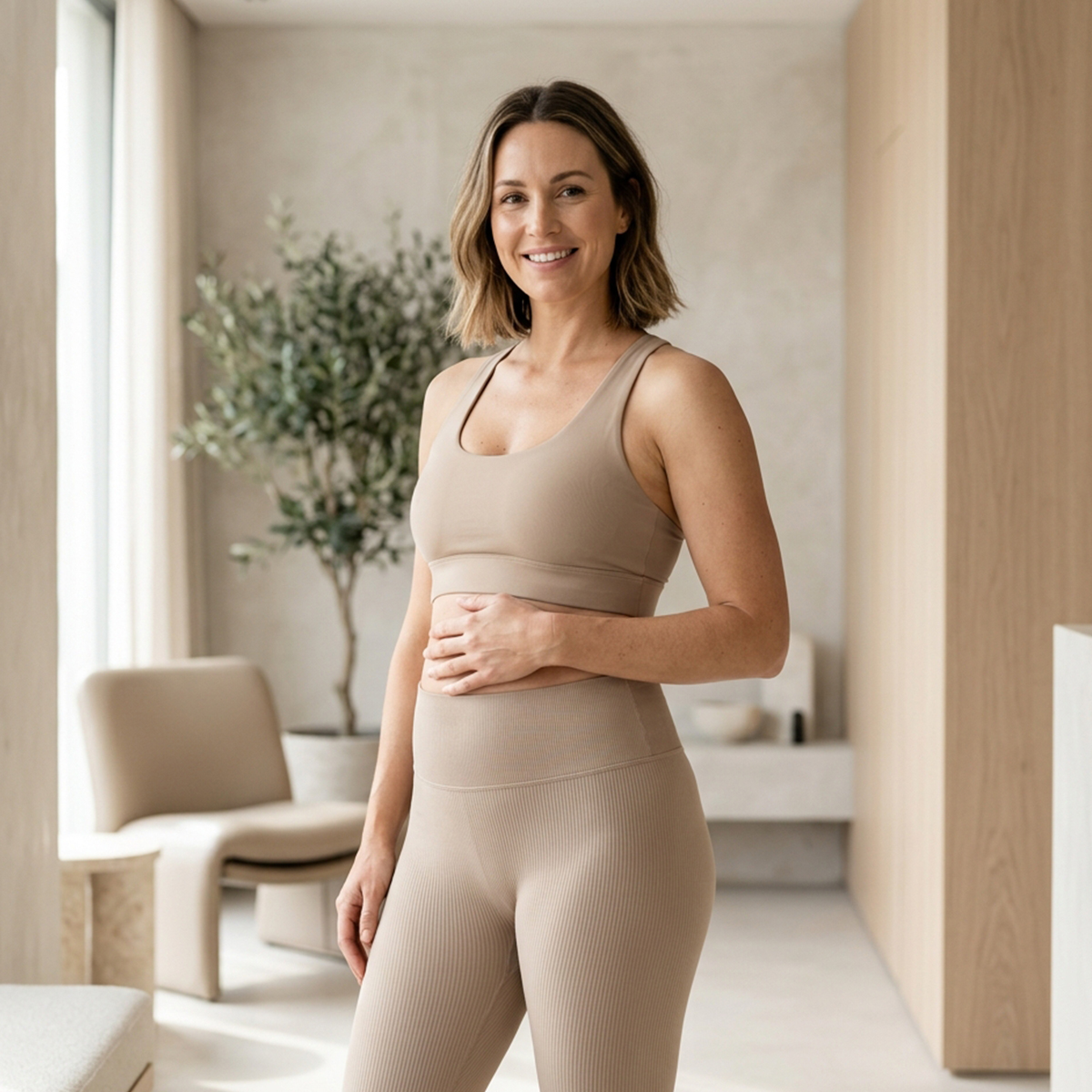
Pregnancy is an incredible journey, but it can also bring lasting changes to the body. While many of these changes are completely natural, some women find that certain areas do not return to their pre-pregnancy appearance despite maintaining a healthy lifestyle.
Changes such as loose abdominal skin, stubborn fat deposits, loss of breast volume, or stretched muscles are common concerns after childbirth.
For women looking to address these changes, body reshaping procedures can offer personalized solutions designed to restore balance and confidence.
How Pregnancy Changes the Body
During pregnancy, the body undergoes significant physical changes to support the growth of a baby. Common changes may include:
- Stretching of the abdominal muscles
- Excess skin in the abdominal area
- Weight gain and fat accumulation
- Changes in breast volume and shape
- Reduced skin elasticity
While exercise and nutrition can help improve overall fitness, some structural changes may persist even after returning to a healthy weight.
What Is Body Reshaping After Pregnancy?
Body reshaping refers to a range of surgical procedures designed to address physical changes that remain after pregnancy. Rather than focusing on a single area, these procedures aim to improve overall body proportions and contours. The treatment plan varies from patient to patient and is based on individual anatomy, goals, and concerns.
Common Areas Women Wish to Address
Every patient has different priorities, but some areas are more frequently affected by pregnancy than others.
Abdomen
One of the most common concerns is the abdominal area. Patients may experience:
- Loose skin
- Stretched abdominal muscles
- Persistent bulging
- Changes in waist definition
In some cases, procedures such as abdominoplasty (tummy tuck) may be considered.
Breasts
Pregnancy and breastfeeding can affect breast shape, volume, and firmness. Common concerns include:
- Volume loss
- Sagging
- Asymmetry
Depending on the patient’s goals, treatment options may include:
- Breast augmentation
- Breast lift
- Breast reduction
Waist and Flanks
Some women notice stubborn fat deposits that remain despite exercise and healthy eating habits. Body contouring procedures may help refine these areas and improve overall proportions.
Thighs and Arms
Changes in weight and skin elasticity may also affect the thighs and upper arms. For some patients, these areas may be included in a comprehensive body reshaping plan.
Is a Mommy Makeover the Same Thing?
The terms are often used together, but they are not exactly the same. A Mommy Makeover is typically a combination of procedures performed during the same surgical journey.
Body reshaping after pregnancy is a broader concept that focuses on restoring body contours and may involve one or several procedures depending on the patient’s needs.
When Is the Right Time to Consider Surgery?
Timing is important. Most surgeons recommend that patients:
- Complete breastfeeding
- Reach a stable weight
- Allow the body time to recover naturally after pregnancy
- Avoid future planned pregnancies when possible
A consultation can help determine when surgery may be appropriate.
The Importance of Personalized Planning
No two pregnancies are the same. For this reason, body reshaping treatments should never follow a standard formula. During consultation, factors such as:
- Body structure
- Skin quality
- Muscle condition
- Lifestyle
- Personal goals
are evaluated to create an individualized treatment plan.
Recovery and Expectations
Recovery varies depending on the procedures performed. Patients should understand that body reshaping is not intended as a shortcut to weight loss. The goal is to address concerns that cannot typically be improved through exercise alone and to enhance overall body balance. Results develop gradually as swelling decreases and healing progresses.
Confidence Beyond the Physical Changes
Many women pursue body reshaping not because they want a completely different body, but because they want to feel more comfortable in their own skin. The goal is not perfection. The goal is to help patients feel like themselves again while respecting their natural proportions and anatomy.